
Heating your workshop in the winter
Working in cold weather is a recipe for disaster especially when you’re in a workshop with dangerous equipment. Whether it is for a hobby or occupation, it can be extremely demotivating having to work when your hands are frozen, and your bones are aching which is why having adequate heating is key. The importance of keeping your workshop at a comfortable temperature cannot be stressed enough not only for those working but also for your equipment and materials. Your equipment freezing over will cost you time and money in the long run, so, all that remains is to consider which heating system best suits your needs.
A popular option for workshop owners is to use infrared heating mounted on the walls. This heating system differs from most other systems by using infrared energy to heat the objects and individuals in the room as opposed to the air. This can help you to save energy as you can choose in which areas of the workshop you will spend the most time and therefore need the most heat. The variety in sizing also means you can choose a model that suits your budget with smaller systems being able to be plugged into the mains and larger systems having the ability to heat the entire space.
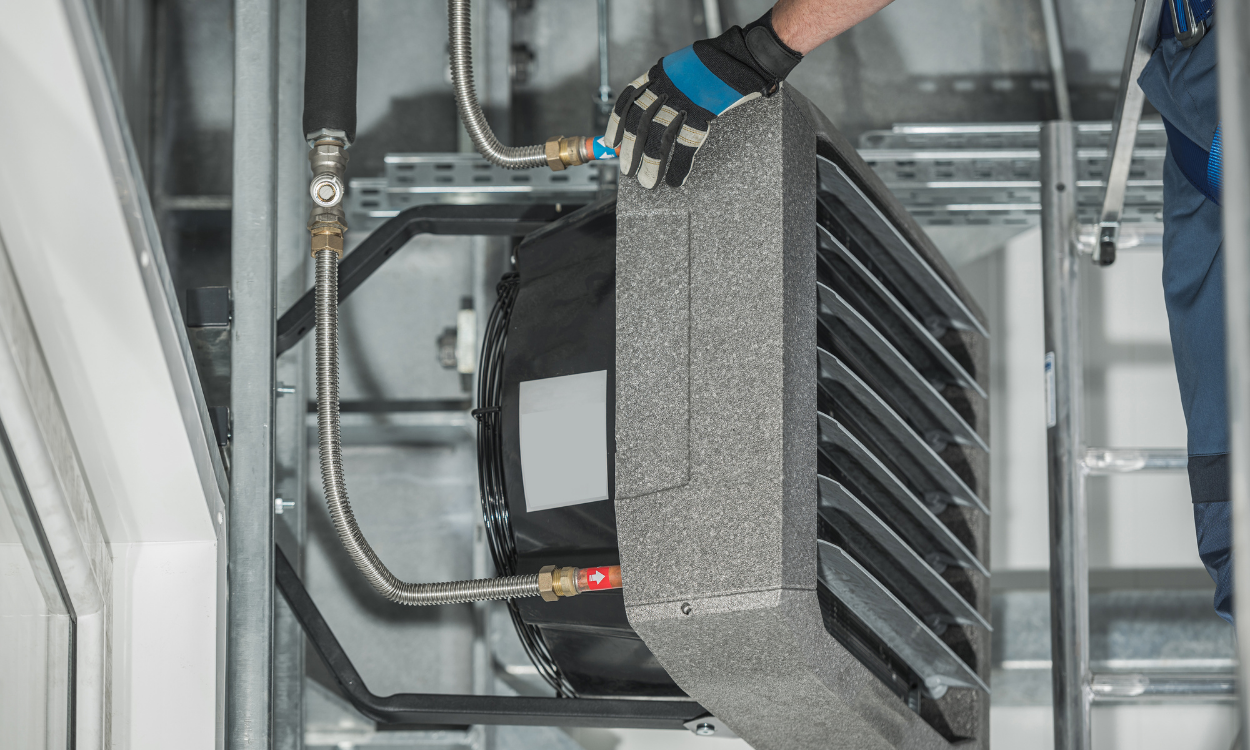
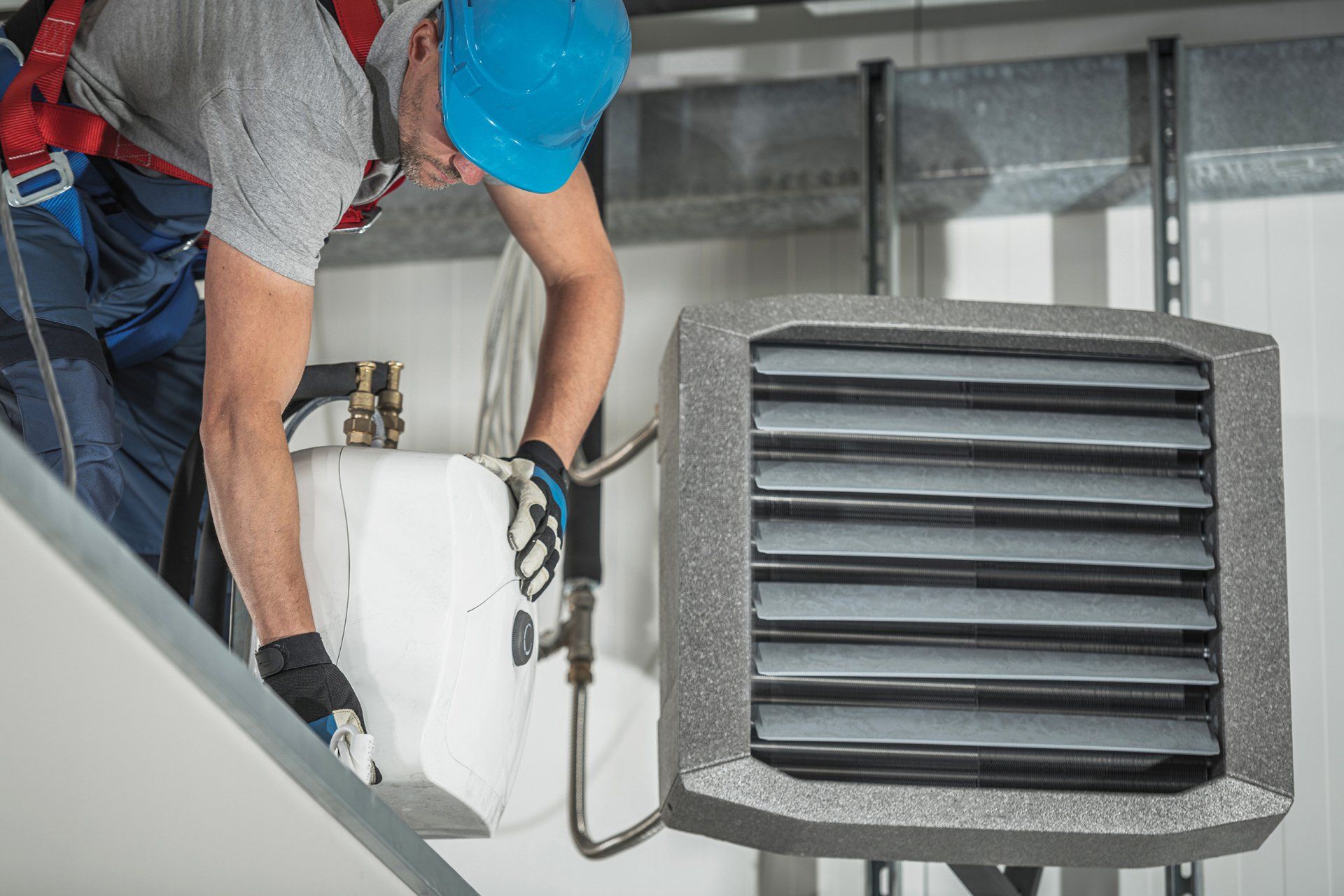
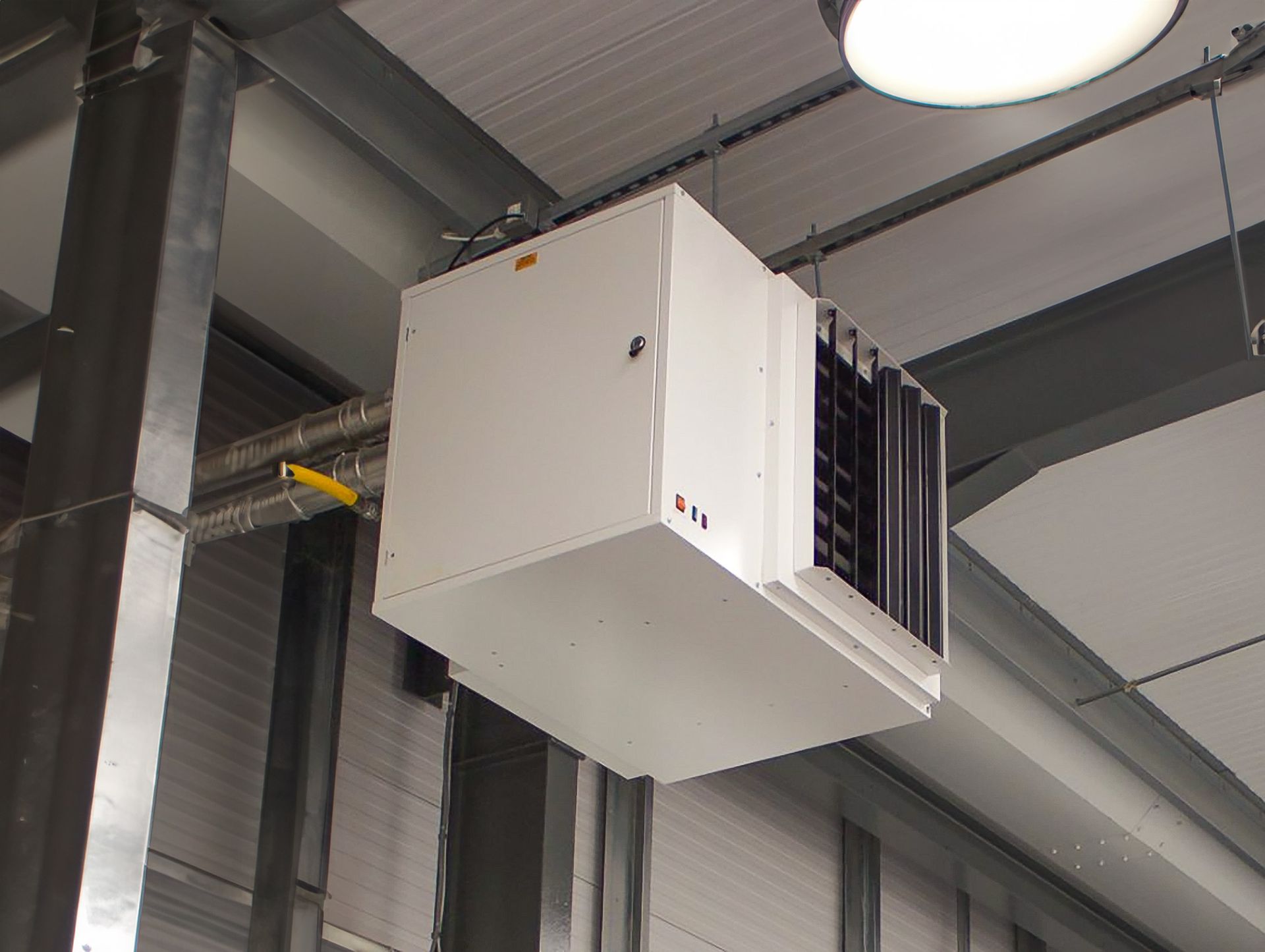
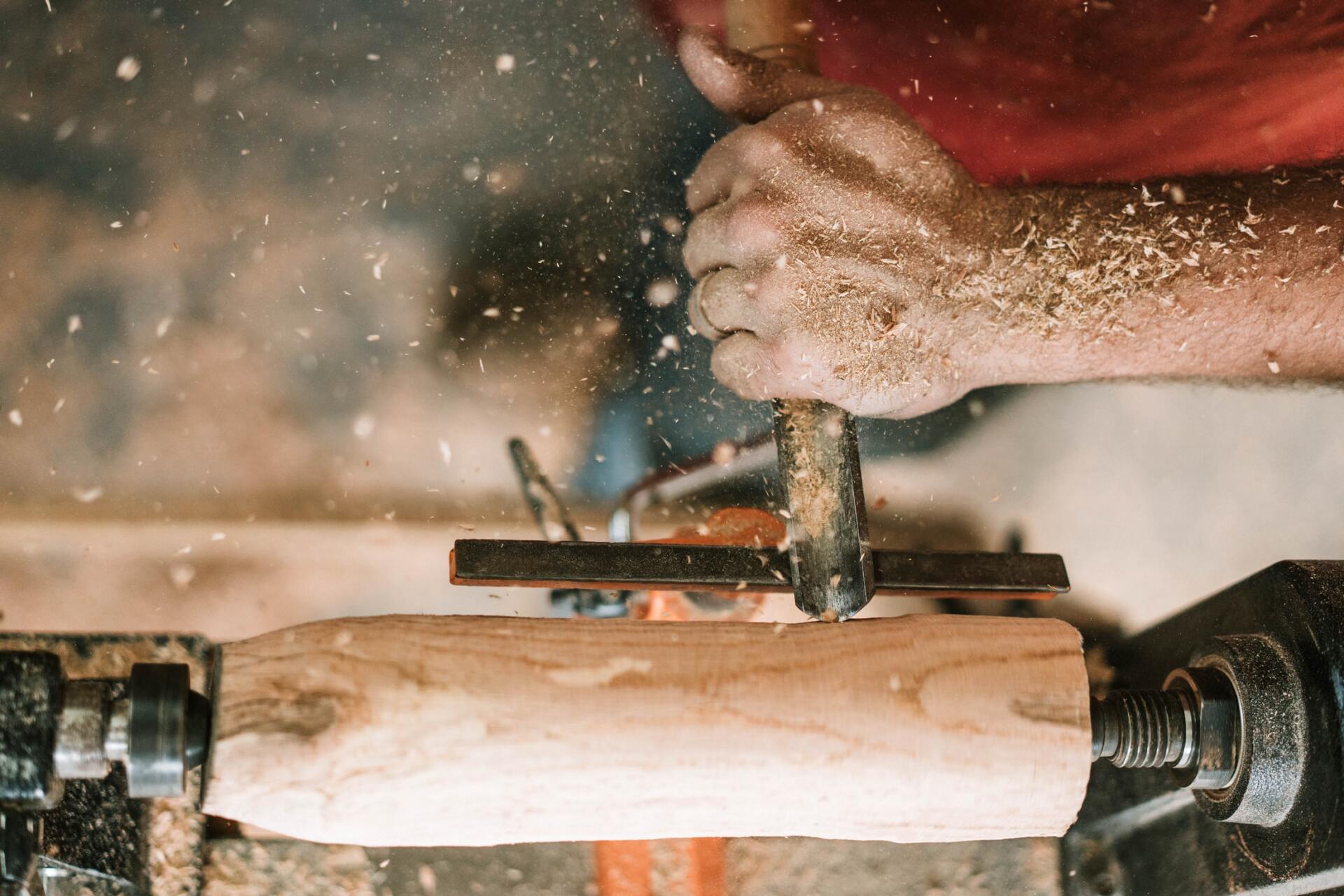
Depending on the size of your workshop you may want to consider using a forced air heating system. These types of systems are usually mounted on the walls and can be connected to the mains gas or a tank. By pulling in the air and heating it as it is pushed through the system, warm air is exhaled into the desired space quickly and efficiently distributing heat throughout the entire workshop. This system is typically popular with larger workshop spaces but can be quite costly to install. It is important to consider how big your space is and how the air will affect elements such as dust, particularly wood chip dust.
If you have a smaller and more budget sized workshop that you mainly use for personal projects, you may want to consider an electric heater. These portable and smaller heaters are great for short-term projects in the colder months. These heating systems work by drawing in air through the back of the unit and pushing it out via heat coils to quickly warm the space. There are a variety of unit sizes starting at 250 watts which is a microheater, all the way to warehouse grade high watt heater for much larger workshops.
Despite it being a more traditional heating option, a wood stove is a much simpler and cosier option you may want to consider. If you work primarily with wood in your workshop you may find this heating system beneficial as any scraps of wood left over from projects can be used to fuel the stove. Wood stoves have the ability to heat up your entire workshop whilst creating a homely rustic aesthetic but as with any manual system, the fire will need attending to, so it doesn’t die.
Because of this, it is arguably a better heating option for a smaller and more personal project workshop as you can control it and know when it needs tending to. Due to its flammable nature, it does have the potential to be a danger if you work with any particularly flammable elements which is something to bear in mind when choosing a system that’s right for you.
Share This Post.
Need a Quote?
Is your business is looking for heating upgrade or an installation quote? Please call us on 08000 588 035 for a free quotation or fill out our contact form and we’ll get back to you as soon as we can.
If you could also attach some relevant images of the building and advise the building volumetric, it will help with our initial design assessment. Thank you.
Winrow - Enquiry Form
Industrial Heating - Latest News