
How Commercial Heating Upgrades Can Support ESG (Environmental, Social, and Governance) Goals
Sustainability is no longer a buzzword reserved for corporate boardrooms. It is fast becoming a defining measure of how responsibly a business operates. For UK commercial property owners and operators, one of the most impactful steps toward genuine environmental accountability lies beneath the surface of day-to-day operations, such as heating systems in use.
Upgrading commercial heating systems is one of the most direct and measurable ways a business can advance its environmental, social, and governance (ESG) goals. From slashing carbon emissions and improving indoor air quality to reducing operational costs and strengthening regulatory compliance, modern heating upgrades deliver benefits that resonate across all three pillars of the ESG framework.

Environmental: Cutting Carbon Where It Counts
Heating continues to be one of the UK’s most significant sources of carbon emissions, accounting for around 22% of total UK emissions. At the same time, the International Energy Agency (IEA) reports that building operations account for 30% of global energy consumption and contribute 26% of global energy-related emissions. For commercial buildings specifically, outdated heating infrastructure is a major culprit and a major opportunity.
Replacing ageing, inefficient commercial heating systems with modern high-efficiency solutions can achieve carbon reductions, placing businesses firmly on the path toward net-zero. The UK Green Building Council has identified retrofitting existing commercial properties as critical to the country meeting its 2050 net-zero targets.
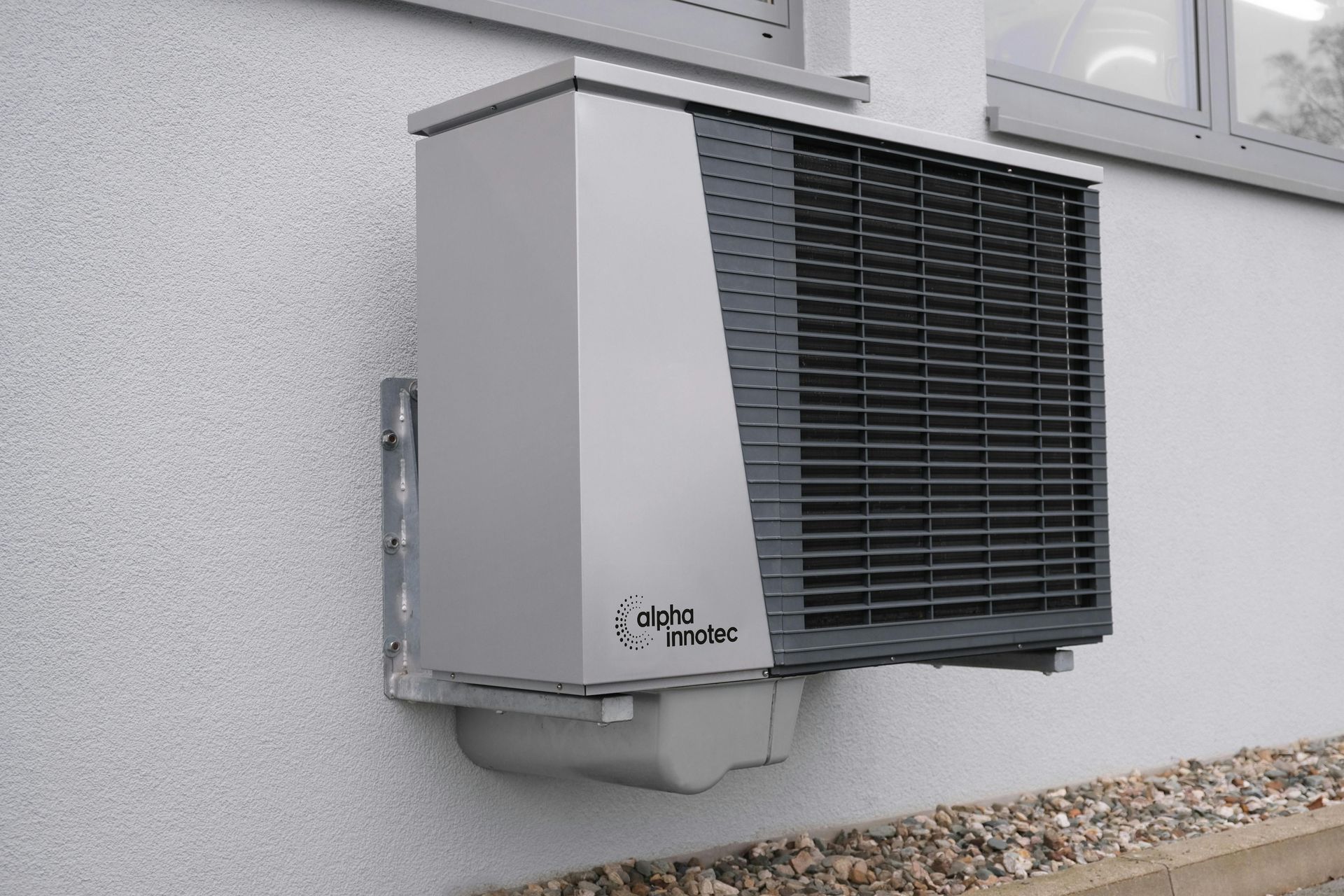
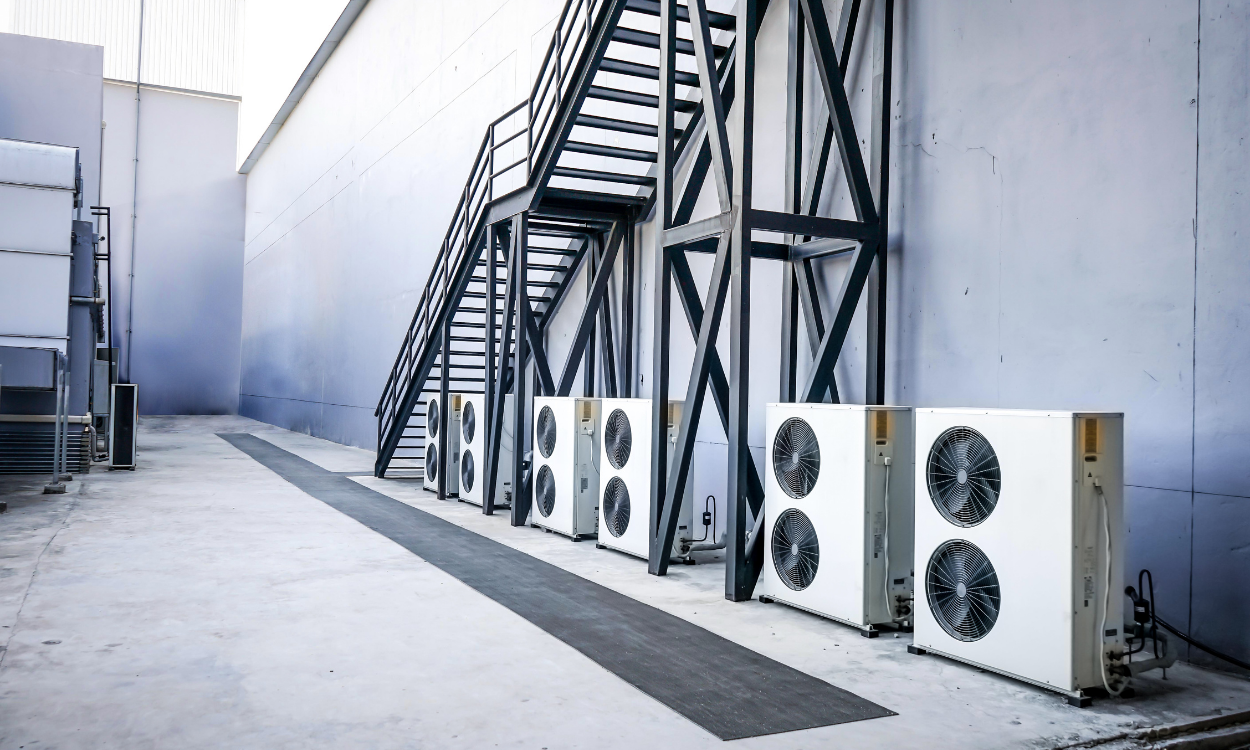
For buildings where a full electrification retrofit is not yet feasible due to infrastructure, space, or budget constraints, hybrid heating systems offer a compelling transitional solution. A commercial hybrid system typically combines an air source heat pump for low-carbon, high-efficiency heat with a gas boiler or water heater as a supplementary backup, managed by an intelligent control unit that continuously optimises performance. This configuration allows businesses to reduce fossil fuel dependency immediately while spreading investment over time.
Beyond the systems themselves, modernising commercial heating systems with elements such as utilising more sustainable solutions, intelligent sensors, and heat recovery can reduce overall energy consumption by 20–40%. Heat recovery can reclaim heat from exhaust air to pre-warm incoming fresh air, minimising energy loss while simultaneously improving air quality. Upgrades also create the opportunity to integrate renewable energy sources such as solar thermal panels, further reducing reliance on fossil fuels and lowering the building’s long-term carbon footprint.
Social: Creating Healthier, More Comfortable Workplaces
The social dimension of ESG is often the most overlooked when it comes to heating infrastructure, yet the connection is direct and meaningful. The quality of a building’s internal environment has a measurable impact on the well-being, comfort, and productivity of everyone who works within it.
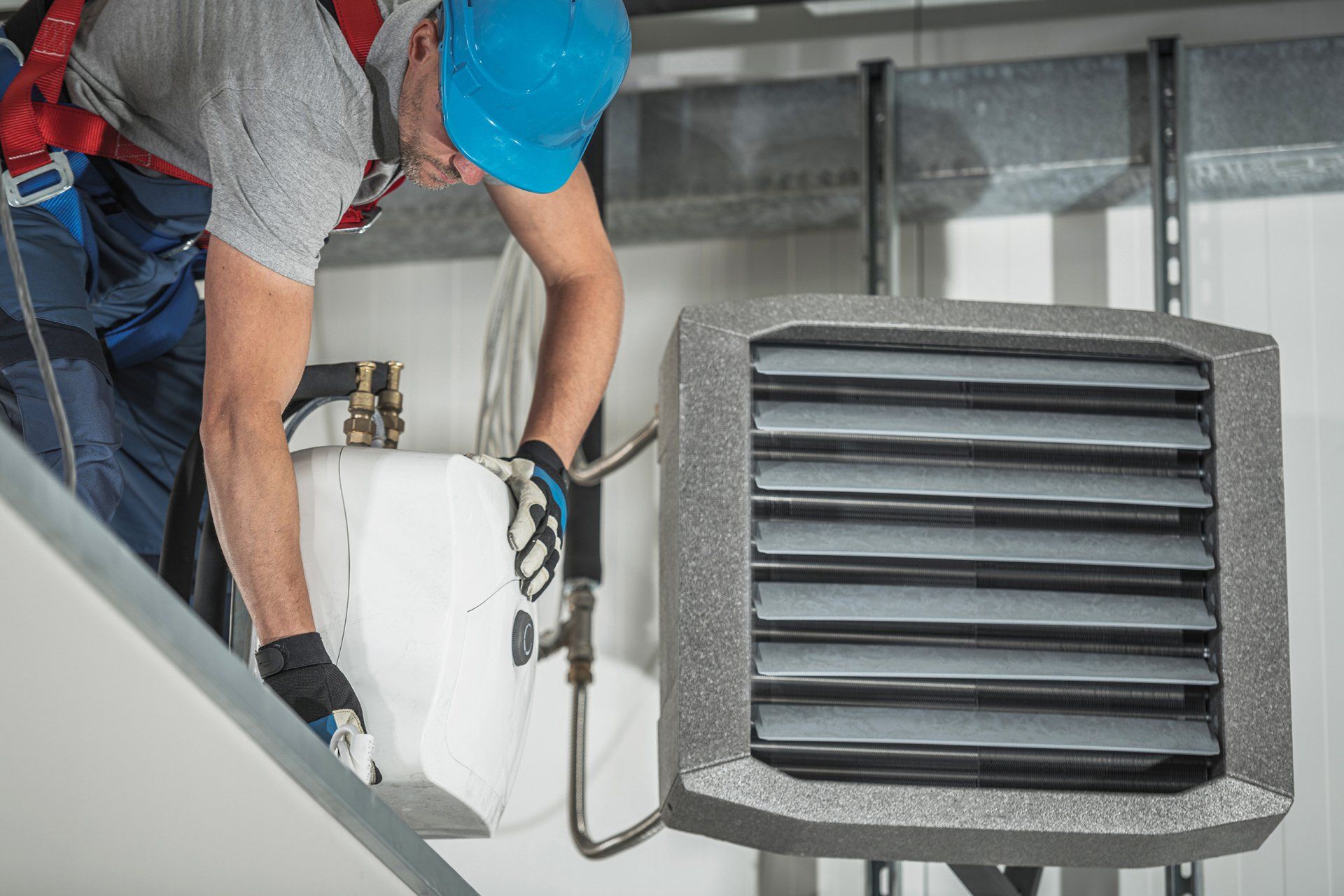
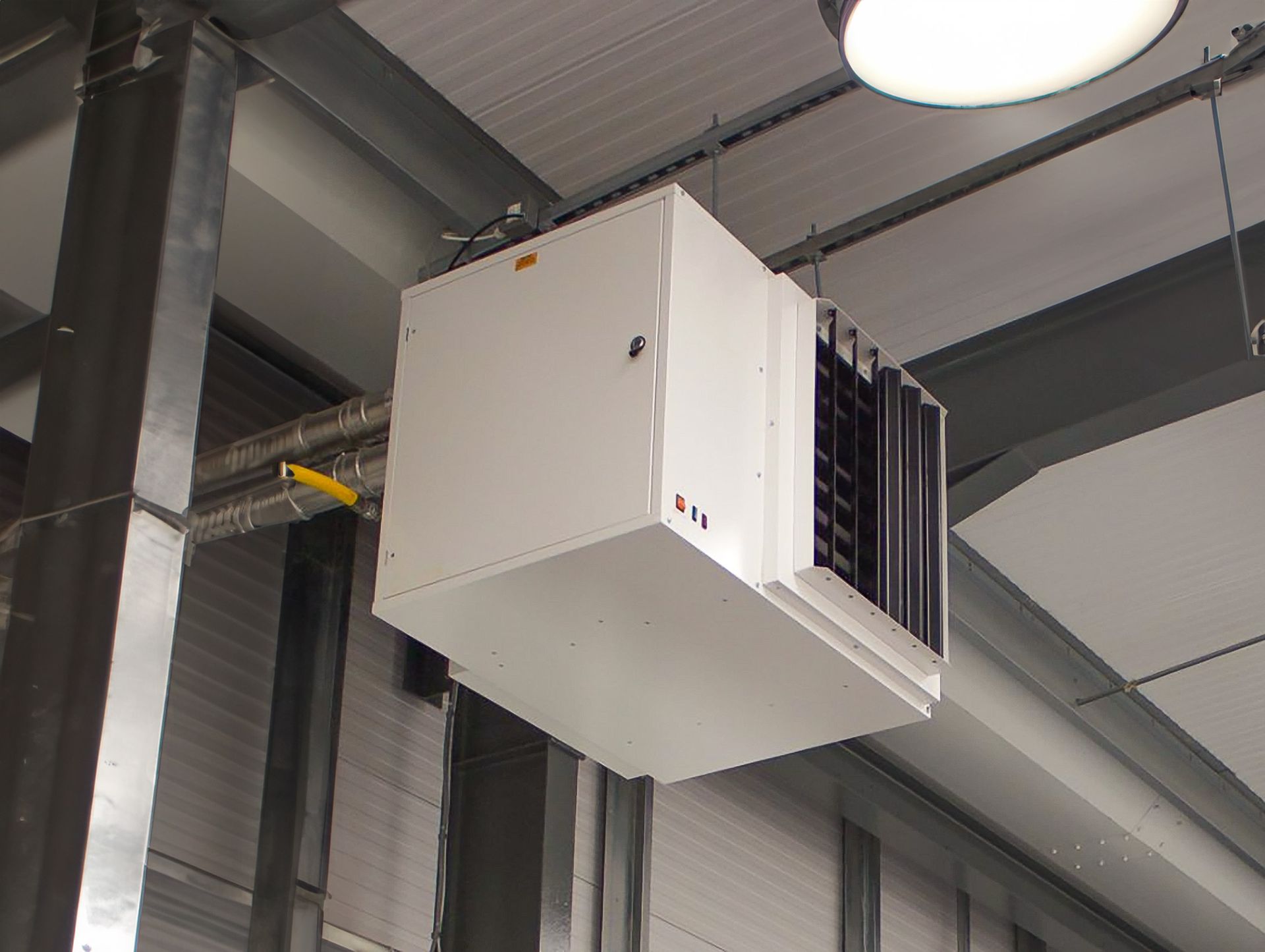
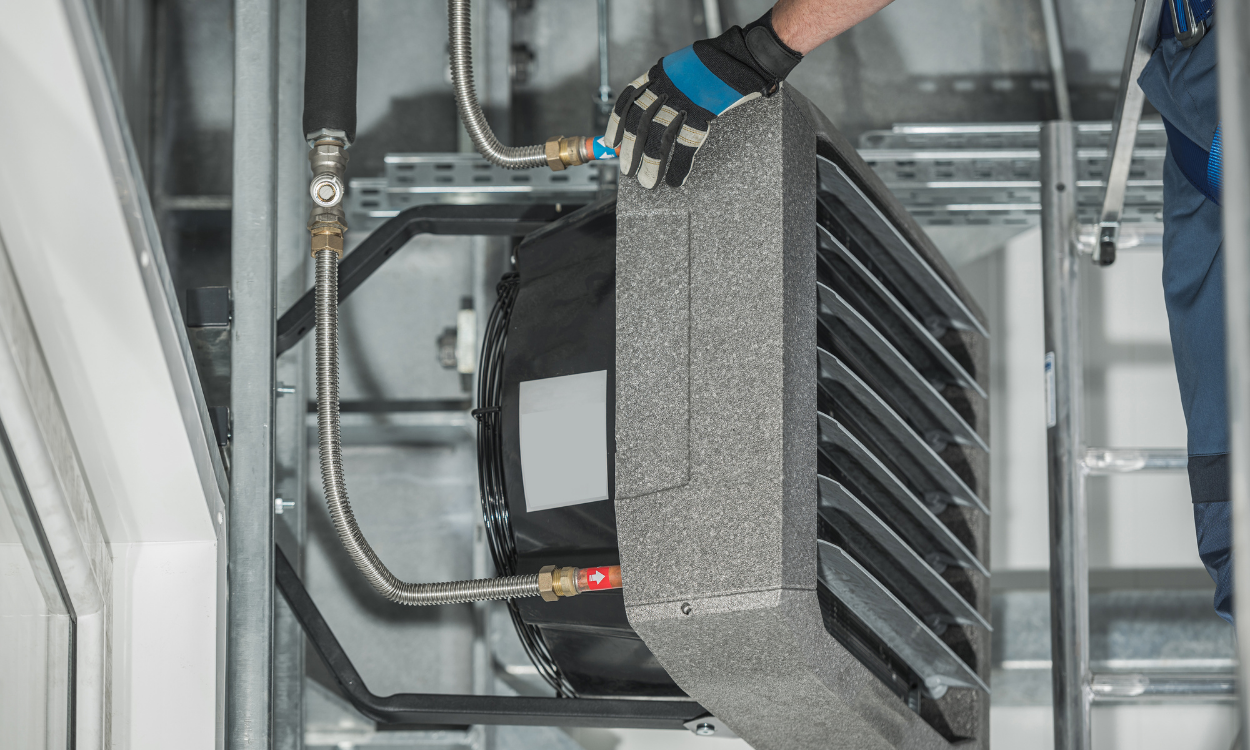
Older heating systems are frequently characterised by inconsistent temperature distribution, resulting in cold spots, draughts, and general discomfort. Modern commercial heating systems provide far superior temperature control, eliminating these issues and creating a consistently comfortable environment across all areas of a building. This is particularly relevant in large commercial or industrial spaces where warm air heating systems are the primary source of heat.
Indoor air quality is another critical social consideration. Many contemporary heating systems are equipped with advanced filtration technology that actively improves the quality of air circulating through a building. Poor air quality has been linked to reduced cognitive function, increased absenteeism, and a range of respiratory health issues. By upgrading to commercial heating systems with better filtration and ventilation capabilities, including smart sensors that monitor air quality in real-time and automatically adjust settings, businesses can create healthier workplaces that support employee wellbeing and satisfaction.
There is also a broader reputational dimension to the social pillar. Businesses that demonstrate a genuine commitment to the health and comfort of their occupants are better positioned to attract and retain talent, foster loyalty among employees, and signal to clients and partners that people are a genuine priority.
Governance: Compliance, Cost Efficiency, and Asset Value
The governance pillar of ESG is fundamentally about how a business manages risk, maintains accountability, and creates long-term value. Commercial heating system upgrades address all three of these objectives in concrete, quantifiable ways.
i. Regulatory Compliance and Risk Mitigation
Environmental regulations in the UK are tightening rapidly. Businesses that fail to meet mandatory energy performance standards, including energy performance certificate (EPC) requirements, face increasing legal and financial exposure. Proactive investment in energy-efficient commercial heating systems ensures compliance with current standards while providing a buffer against future regulatory changes. As customers, investors, and regulators grow increasingly scrutinous of a business’s approach to sustainability, being ahead of the curve is no longer optional; it is a governance imperative.
ii. Reduced Operational Costs
Energy-efficient heating upgrades deliver tangible, ongoing financial benefits. Retrofitting measures can reduce energy bills by 20–40%, with savings compounding over the lifetime of the system. Smart thermostats and building automation systems further optimise consumption by adapting heating schedules to actual occupancy patterns, eliminating wasteful energy use during unoccupied hours. Businesses may also be eligible for government tax incentives and grants for adopting energy-efficient measures, helping to offset the initial capital investment and accelerate return on investment.
iii. Increased Asset Value and Investment Appeal
Green-certified, energy-efficient buildings command higher rents, attract better quality tenants, and offer greater appeal to institutional investors who are increasingly applying ESG criteria to their portfolios. Retrofitting a commercial building with a modern, high-efficiency heating system is not simply a cost; it is a value-creating investment that improves the asset’s long-term financial performance. Sustainable buildings are also associated with higher tenant retention rates, reducing vacancy risk and supporting stable, predictable income streams.
Taking the First Step
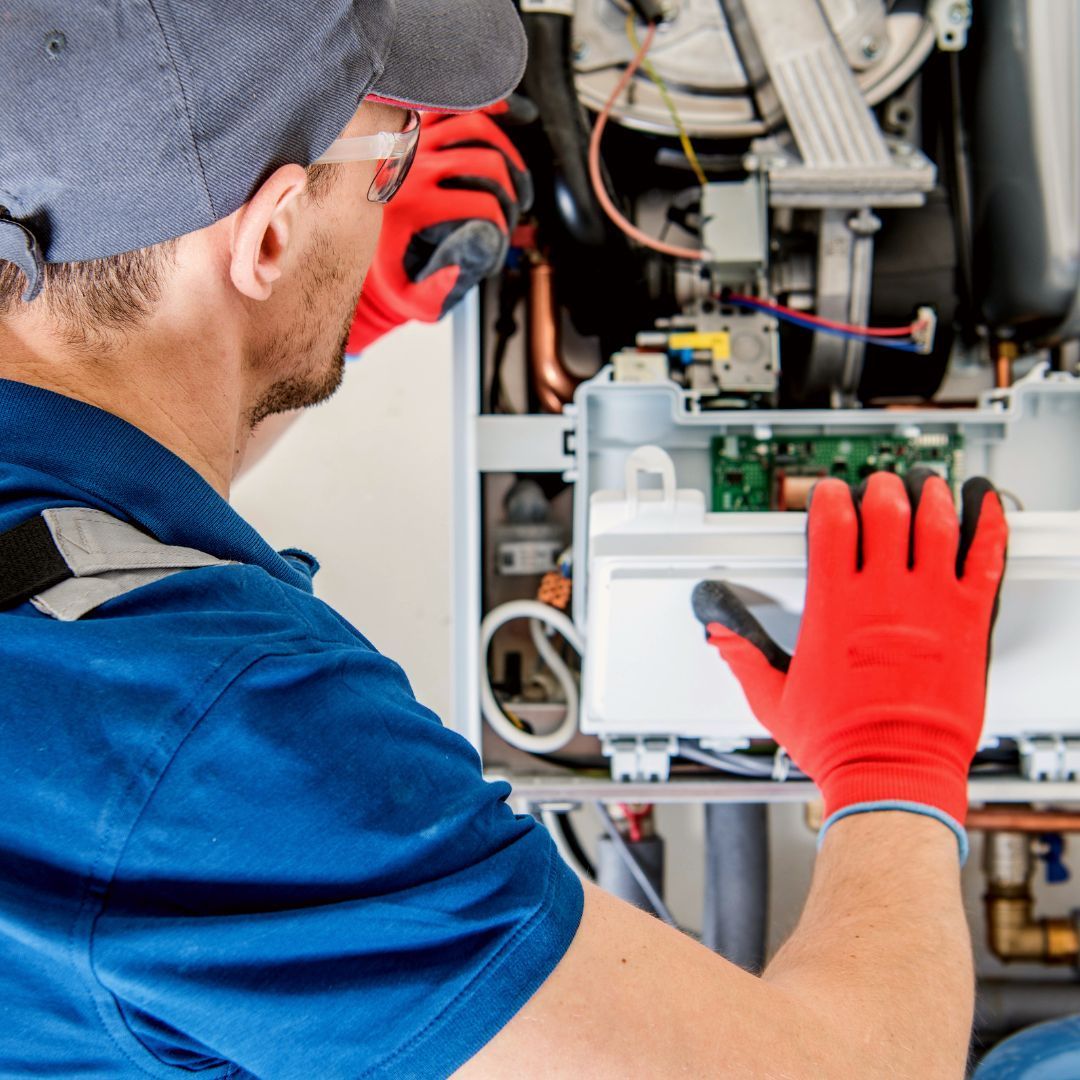
Before any upgrade, a comprehensive audit is essential. Heating experts at Winrow can assist in this process and make recommendations. Audits involve assessing the type, age, and efficiency of existing commercial heating systems, identifying areas of heat loss, and benchmarking performance against industry standards. A fabric-first approach addressing insulation, glazing, and draught-proofing before sizing a new commercial heating system ensures that any investment in heating technology is optimised from the outset.
From there, businesses can implement further strategies to reduce emissions, operating costs and more. Commercial heating upgrades are one of the clearest examples of ESG in action, delivering measurable environmental outcomes, tangible social benefits, and sound governance. For UK businesses serious about their sustainability commitments, there has never been a better time to act. Take the first step and enquire today to understand how Winrow can assist you on your sustainability journey.
Share This Post.
Need a Quote?
Is your business is looking for heating upgrade or an installation quote? Please call us on 08000 588 035 for a free quotation or fill out our contact form and we’ll get back to you as soon as we can.
If you could also attach some relevant images of the building and advise the building volumetric, it will help with our initial design assessment. Thank you.
Winrow - Enquiry Form
Industrial Heating - Latest News