
Which is cheaper: Oil or LPG heating?
Discover the key differences between oil and LPG heaters to help you decide which option is more suitable for your industrial property.
Oil and LPG heaters are most commonly used to heat commercial and industrial properties that are located in rural or isolated areas where there is no mains gas available.
Both options are easy to transport and store and are usually delivered in tanks or bottles.
There are however some key differences between oil heating and LPG heating systems, read on to find out more about each option to help you decide which is more suited to your requirements.
What is LPG?
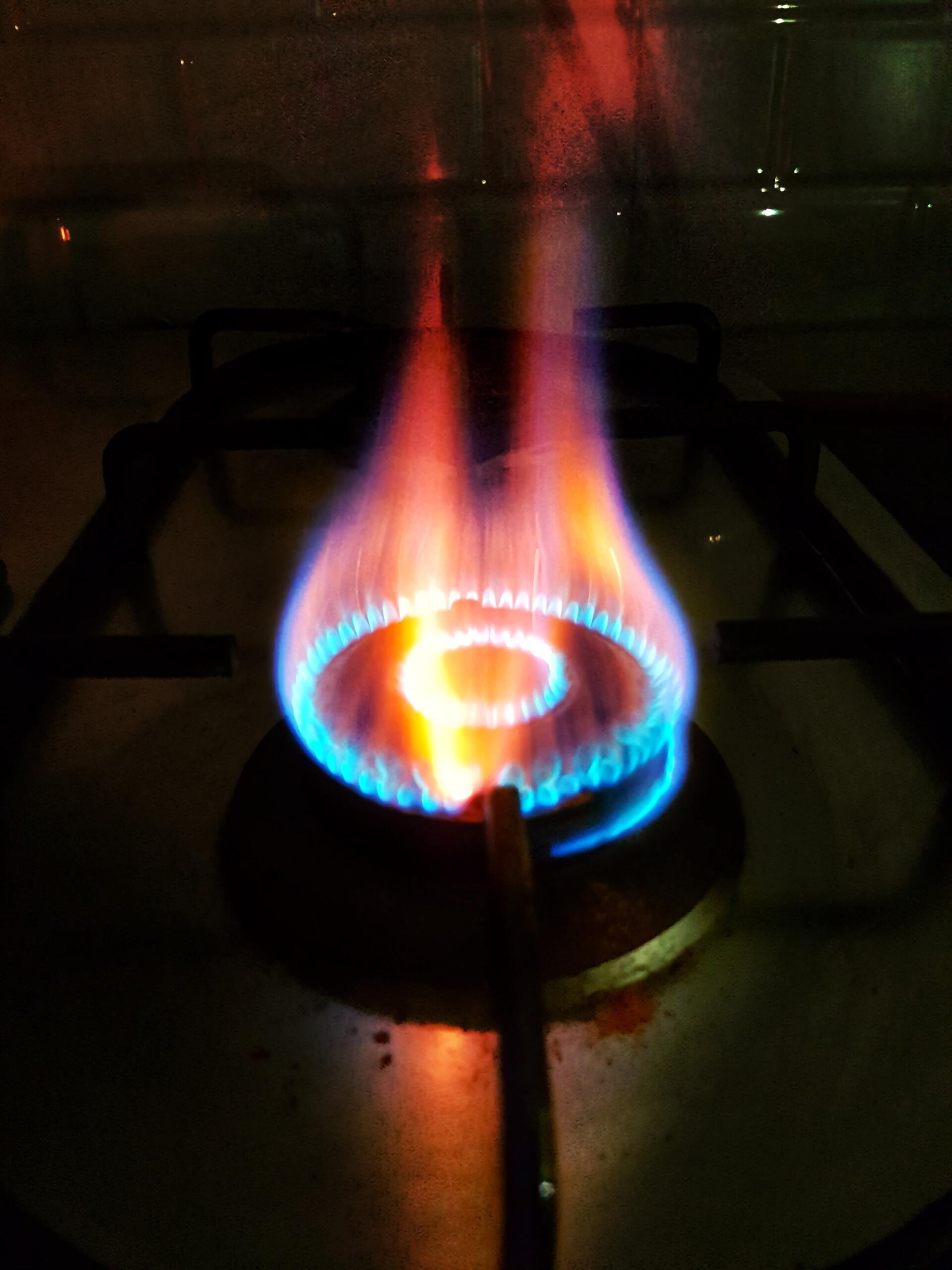
LPG is liquid petroleum gas, a hydrocarbon gas that can be either liquid or gas in form. When stored under pressure in a container, LPG is a liquid, when released, it becomes a gas. Two common types of LPG are Butane and Propane.
LPG is a clean and environmentally-friendly fuel that can be used to heat either domestic or commercial properties.
At Winrow Industrial Heating, we specialise in designing and installing LPG heaters in commercial and industrial properties.
LPG heaters are highly efficient and produce very low levels of carbon emissions, meaning that when your business chooses an LPG heater it will significantly reduce both its energy expenses and its impact on the environment.
If your business premise does not already have a mains gas supply, then an LPG heater may be the ideal option for you.
LPG heaters Vs oil heaters
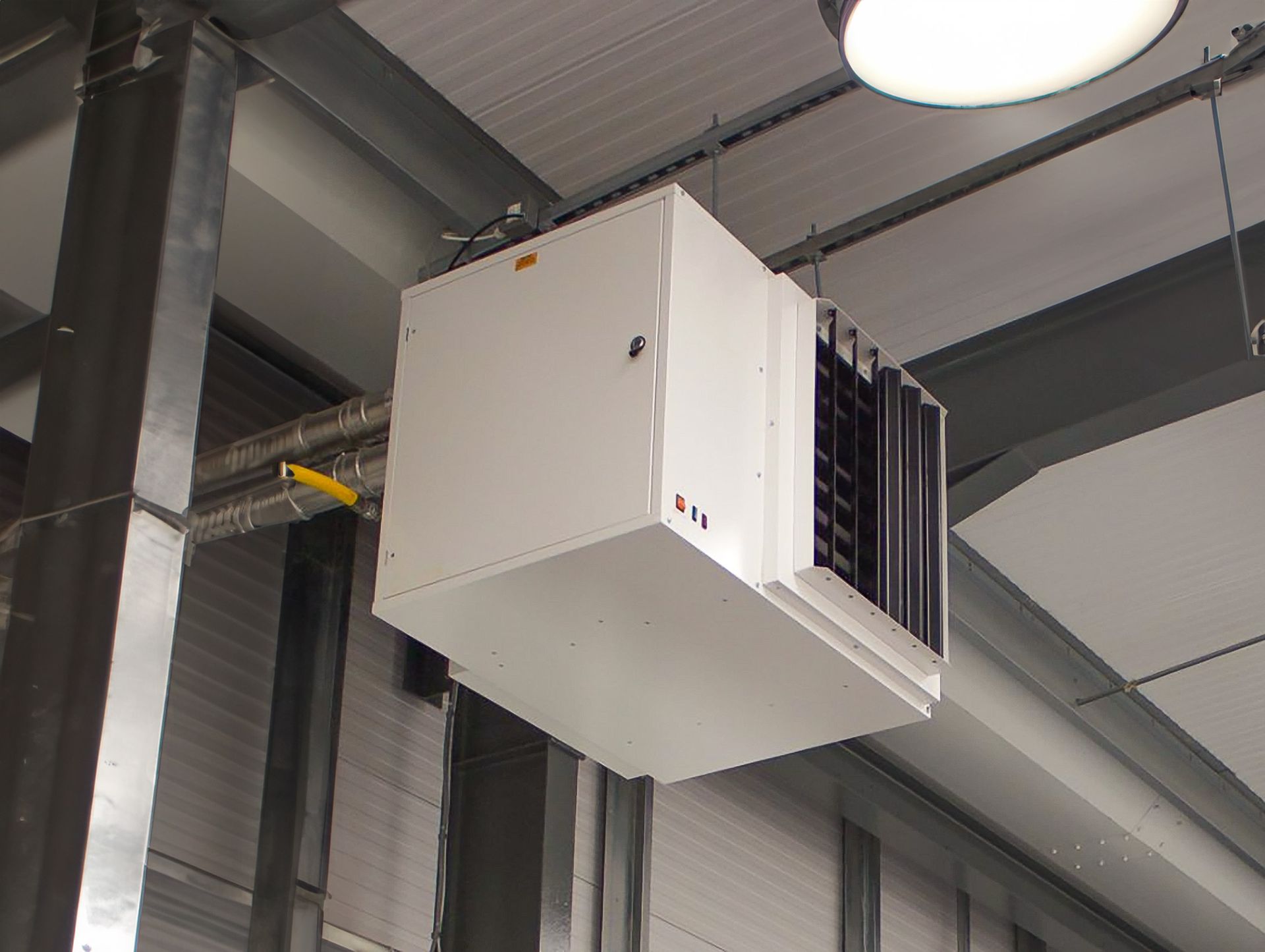
Oil can be used to power a range of different industrial heaters including warm air heating systems.
Oil is a fossil fuel and is less environmentally friendly than LPG. The carbon emissions created by oil heaters are said to be up to 20% higher than the emissions from LPG. LPG also emits fewer toxic particles than oil.
Which is cheaper: Oil or LPG?
It is widely agreed that LPG is the more eco-friendly choice, but which is the most cost-effective?
- Price of fuel – There is very little difference between the price of oil compared to LPG.
- Stability of price – Whilst there is little difference in price on average, the price of oil can fluctuate whereas the price of LPG is much more stable and reliable.
- Efficiency – LPG heaters are highly efficient; they can be up to 20% – 30% more efficient than oil heaters.
- Maintenance costs – LPG is a cleaner fuel than oil and so LPG heaters generally require much less maintenance than oil heaters.
- Future – As a society, we are trying to phase out the use of fossil fuels that are damaging our environment, fuels like oil could become scarcer and more expensive in the future. With this in mind, opting for LPG could be a more future-proof option.
At Winrow Industrial Heating, our team have over 30 years of experience in designing and installing heating systems in commercial and industrial premises. For further help and advice choosing the most suitable fuel or heating system for your requirements, give our team a call on 08000 588 035.
Share This Post.
Need a Quote?
Is your business is looking for heating upgrade or an installation quote? Please call us on 08000 588 035 for a free quotation or fill out our contact form and we’ll get back to you as soon as we can.
If you could also attach some relevant images of the building and advise the building volumetric, it will help with our initial design assessment. Thank you.
Winrow - Enquiry Form
Industrial Heating - Latest News